The ethical AI market is growing fast as enterprises face a challenging balancing act: scaling AI innovation while maintaining rigorous ethical oversight.
Global regulations including the EU AI Act and frameworks such as NIST AI RMF are pushing organisations to adopt governance platforms that tackle bias detection, explainability and auditability across the AI lifecycle.
From specialised tools serving highly regulated financial services to enterprise-wide solutions from technology giants, the market now offers sophisticated capabilities for rooting out unintended bias, ensuring transparency, protecting customer data and aligning AI systems to international standards.
What’s changed? These platforms are no longer viewed as compliance hurdles – they’re becoming competitive advantages.
10. Monitaur

Company: Monitaur
CEO: Anthony Habayeb
Specialisation: AI governance for highly regulated financial and insurance firms
Monitaur has carved out a niche helping highly regulated industries – including insurance and financial services – scale their AI initiatives without losing sleep over compliance.
Co-Founder and CEO Anthony Habayeb has been vocal about reframing AI governance as a business enabler rather than a bureaucratic burden, arguing it provides essential structure and standardisation.
The proof is in the results: one leading insurer used Monitaur to scale AI governance across more than 180 projects, achieving 30% cost savings and tripling AI project growth in just six months.
Those numbers speak volumes in an industry where regulatory risk can make or break innovation efforts.
9. Collibra AI Governance
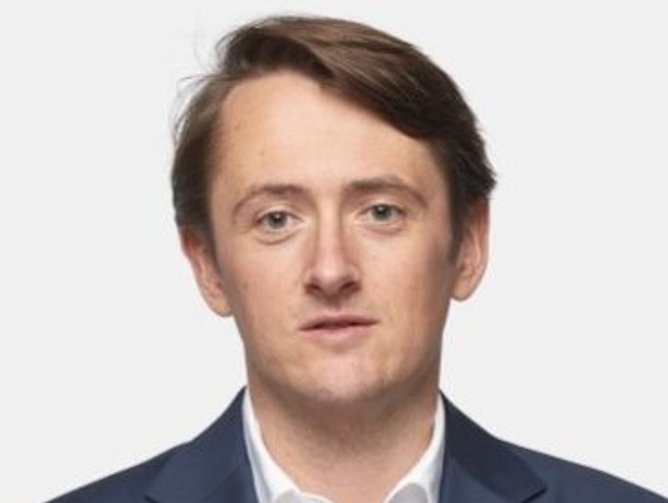
Company: Collibra
CEO: Felix Van de Maele
Specialisation: Unified data and AI governance with end-to-end lineage
Collibra’s journey from enterprise data catalogue to full-fledged data and AI governance platform is worth noting – Forrester now recognises it as a Leader in the space.
CEO Felix Van de Maele champions a vision that unifies governance across data and AI, providing end-to-end lineage tracing that lets organisations actually see where their data comes from and where it goes.
This addresses a real problem: untrusted data stalls nearly half of all AI projects across enterprises.
When an organisation can’t trust its data inputs, even the most sophisticated AI models become liability rather than assets.
8. TruEra AI Observability
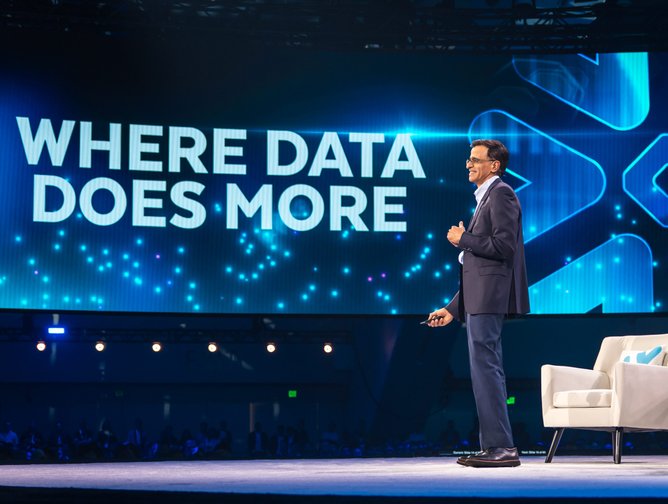
Company: TruEra (now part of Snowflake)
CEO: Sridhar Ramaswamy
Specialisation: AI observability and root-cause analysis for ML and LLMs
TruEra built its reputation on AI observability tools that offer something very useful: root-cause analysis that helps teams quickly debug issues related to model performance, bias and stability.
Whether a company’s working with traditional machine learning (ML) or large language models (LLMs), TruEra’s approach cuts through the noise.
The company caught Snowflake’s attention and was acquired to embed LLM and ML observability directly into the AI Data Cloud.
Snowflake CEO Sridhar Ramaswamy knows why this matters, emphasising how the integration accelerates deployment while building trust in results – two things that don’t always go hand in hand.
7. Credo AI
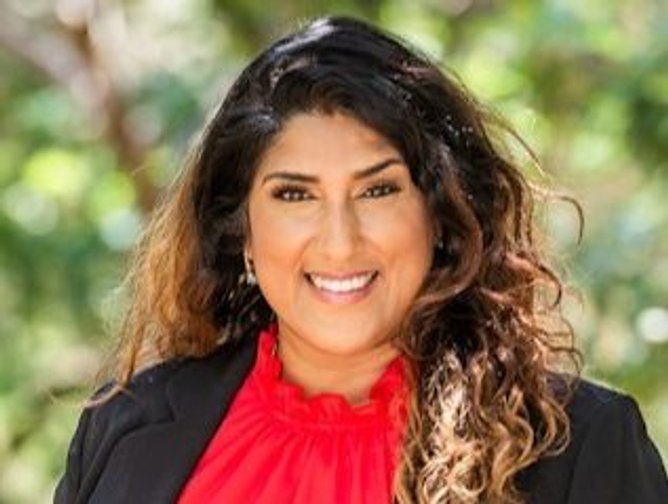
Company: Credo AI
CEO: Navrina Singh
Specialisation: AI governance platform aligning systems to global regulations
Credo AI calls its offering the Governance Platform or ‘Trust OS,’ which isn’t marketing speak – but a tool that equips enterprises to operationalise AI oversight and align systems to global regulations like the EU AI Act and NIST AI RMF.
The platform provides auditable oversight, Model Trust Scores and risk registries that convert lofty principles into actionable controls.
CEO Navrina Singh has made a compelling argument that governance shouldn’t be viewed as a constraint but as a catalyst for competitive advantage, particularly as regulatory frameworks tighten globally.
6. SAP AI Ethics/Compliance
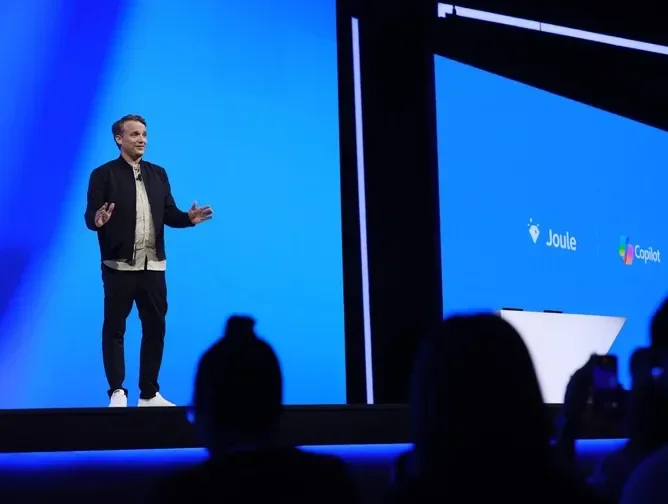
Company: SAP
CEO: Christian Klein
Specialisation: Enterprise AI ethics, security and compliance, including EU AI Act
SAP’s approach to ethical AI rests on three pillars: ethics, security and compliance – all guided by a dedicated AI Ethics Office and Global AI Ethics Policy.
This framework drives ethical innovation across SAP’s enterprise solutions, ensuring adherence to global standards including the EU AI Act while actively mitigating risks like model weakness, bias and hallucination.
SAP has gone further than most, achieving ISO 42001 certification for AI governance – a tangible commitment that prioritises data privacy and security at a time when those concerns are front and centre for enterprise customers.
5. Salesforce Ethical AI/Einstein Trust Layer
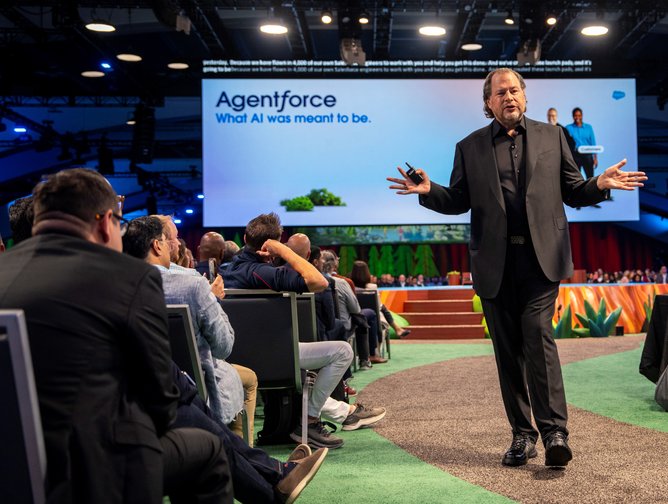
Company: Salesforce
CEO: Marc Benioff
Specialisation: Protecting customer data with ethical guardrails in Einstein AI
Salesforce doesn’t just talk about ethics – it’s baked the commitment directly into Gen AI products like Service GPT and Sales GPT through the Einstein Trust Layer.
This layer provides crucial data and compliance guardrails, ensuring LLMs don’t inadvertently expose or compromise sensitive customer data.
Marc Benioff, CEO of Salesforce, has emphasised how essential this ethical foundation is for building trust with enterprise customers deploying AI at scale.
When a firm’s handling customer data across thousands of organisations, getting this wrong isn’t an option.
4. Amazon SageMaker Clarify
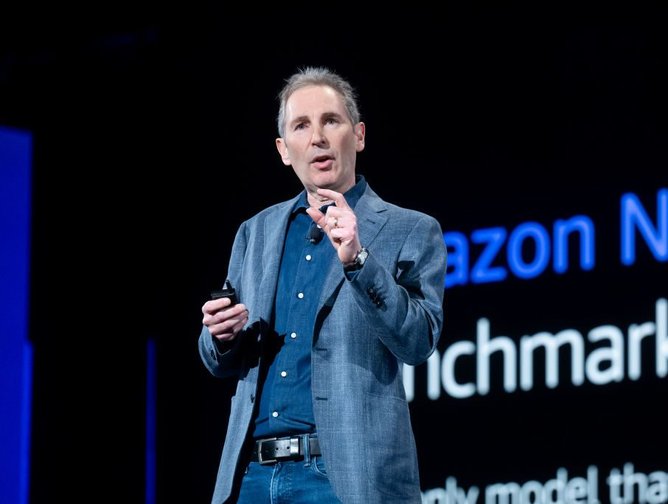
Company: Amazon Web Services (AWS)
CEO: Andy Jassy
Specialisation: Bias detection, explainability and transparency for models in SageMaker
Amazon SageMaker Clarify tackles fairness, explainability and transparency at the scale AWS is known for.
The feature provides tools to detect unintended bias during data preparation and post-training, while generating SHAP values to explain model behaviour – often at 50% lower computation cost than local calculations, which matters when a company’s running models at enterprise scale.
Amazon President and CEO Andy Jassy continues directing substantial investment towards AWS and Gen AI infrastructure, positioning SageMaker Clarify as a core component of ethical AI deployment for the cloud giant’s massive customer base.
3. Google Responsible Generative AI Toolkit
Company: Google
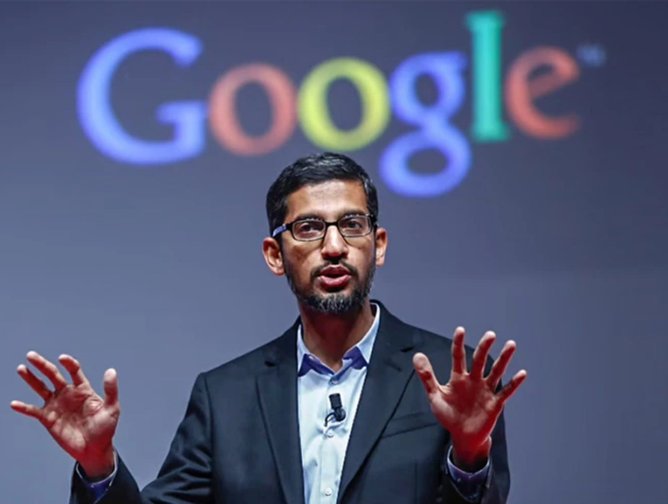
CEO: Sundar Pichai
Specialisation: Tools and guidance for safely developing Gen AI applications
Google’s toolkit offers resources and technical tools for safely developing Gen AI applications, particularly those deployed via platforms like Vertex AI.
The toolkit walks developers through defining risk mitigation techniques and ensuring transparency through artefacts such as model cards that document model behaviour and limitations.
CEO Sundar Pichai says: “We continue to approach the AI opportunity boldly, with a sense of excitement. We’re also making sure we do it responsibly.”
The comprehensive suite addresses pressing concerns around safety, transparency and accountability – concerns that have only intensified as Gen AI moves from research labs into production environments.
2. IBM watsonx.governance
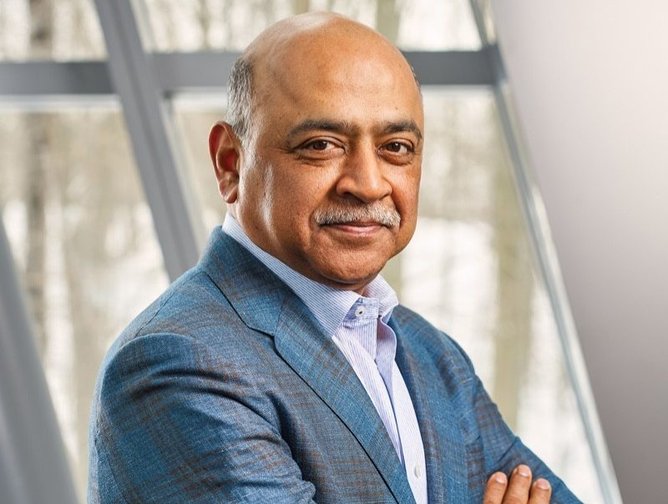
Company: IBM
CEO: Arvind Krishna
Specialisation: Governance and guardrails for enterprise Gen AI and foundation models
IBM watsonx.governance is the essential third pillar of the watsonx platform, providing the guardrails necessary for ethical implementation of Gen AI in enterprise settings.
The platform empowers businesses to refine foundation models safely using their own domain-specific data, ensuring factual grounding and auditability throughout the AI lifecycle.
CEO Arvind Krishna leads IBM’s strategy to accelerate Gen AI’s impact in core workflows, positioning governance not as an afterthought but as integral to enterprise AI adoption from day one.
The platform tackles critical concerns around model transparency, bias detection and regulatory compliance while enabling organisations to deploy AI with genuine confidence – particularly important in highly regulated industries where mistakes carry serious consequences.
1. Microsoft Responsible AI Toolbox

Company: Microsoft
CEO: Satya Nadella
Specialisation: Fairness, interpretability and error analysis across the AI lifecycle
The Microsoft Responsible AI Toolbox tops the list as an open-source suite offering comprehensive capabilities for fairness, interpretability and error analysis across the entire AI lifecycle.
Microsoft has been proactive rather than reactive in addressing Gen AI challenges, integrating features like ‘prompt shield’ to block prompt injection attacks and safety evaluation capabilities within Azure AI Studio.
Chairman and CEO Satya Nadella oversees the strategy that’s delivering AI-powered success to over 85% of the Fortune 500 – no small feat.
What sets the toolbox apart is Microsoft’s commitment to democratising ethical AI practices, giving developers and data scientists the resources they need to build, deploy and monitor AI systems that genuinely align with ethical principles and regulatory requirements while maintaining high performance standards.
It’s comprehensive, accessible and reflects years of learning about what actually works in production environments.