The deployment of AI systems across enterprise operations has created demand for governance frameworks that address regulatory compliance, ethical standards and technical risk management.
Technology companies have now developed platforms that embed responsible AI principles into machine learning (ML) operations, offering tools for bias detection, model monitoring and audit documentation.
These systems respond to requirements established by frameworks including the EU AI Act, NIST Risk Management Framework and ISO 42001 standards.
Some of the world’s top platforms span cloud infrastructure providers, enterprise software companies and specialist governance firms serving organisations across finance, healthcare, government and manufacturing sectors.
10. Credo AI
- Company: Credo AI
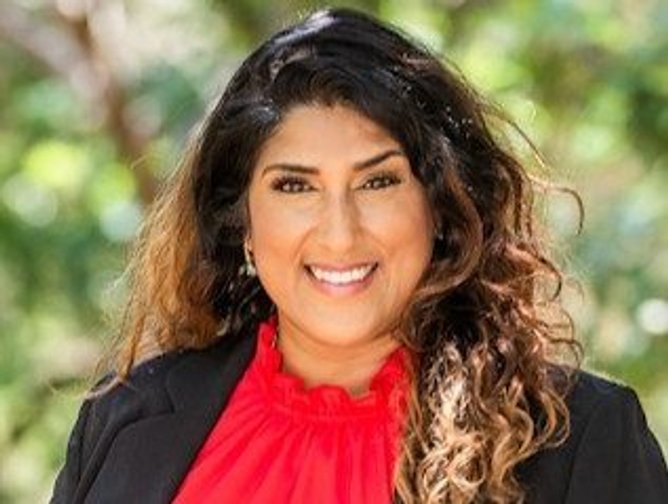
- CEO: Navrina Singh
- Specialisation: Operationalises AI governance, compliance, risk and policy management at scale
Credo AI established the enterprise AI governance category under CEO Navrina Singh, who has built the company on a straightforward principle: AI can only create business value when underpinned by “ironclad trust”.
From this principle, the platform provides oversight across the AI lifecycle, ensuring models and agents align with global standards including the EU AI Act, NIST RMF and ISO 42001.
Forrester’s Wave Q3 2025 report awarded the company the highest possible scores across 12 criteria, covering AI policy management and regulatory compliance audit capabilities.
The tool’s real-world deployments include managing Gen AI risk for payments processor Mastercard and transforming governance frameworks for federal agencies through a partnership with consulting firm Booz Allen.
9. DataRobot
- Company: DataRobot
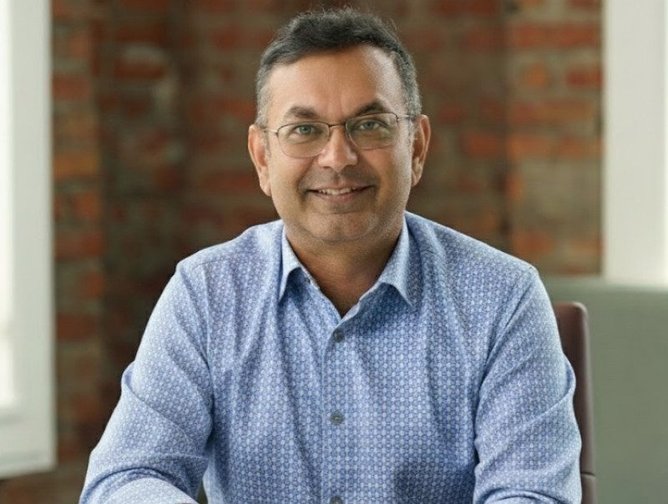
- CEO: Debanjan Saha
- Specialisation: MLOps and AI governance platform for accessible enterprise AI adoption
The DataRobot AI Platform has carved out a niche by making ML accessible while maintaining guardrails.
Gartner positioned the company as a Leader in its 2025 Magic Quadrant for Data Science and ML Platforms, recognising its ability to bridge the gap between IT departments, data science teams and risk professionals.
Strategic acquisitions including Agnostiq and collaborations with chipmaker Nvidia have accelerated development of agentic AI applications.
The company has since launched AI Application Suites tailored for finance, supply chain and federal government operations, with Chief Revenue Officer (CRO) Jay Schuren leading the commercial push into these sectors.
8. TruEra (Snowflake)
- Company: Snowflake (Acquired)
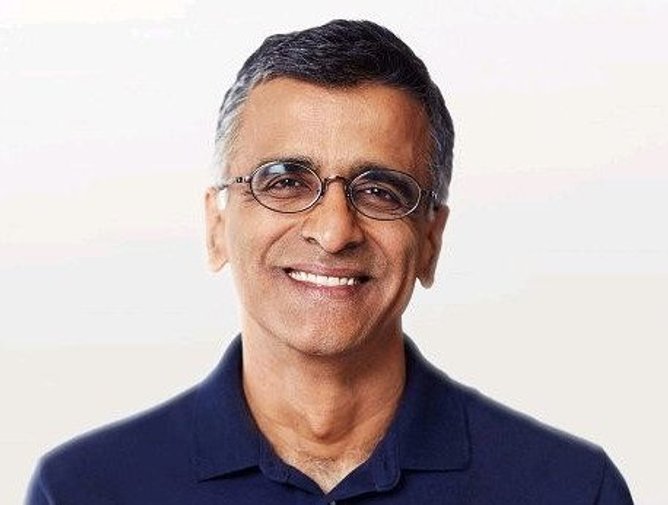
- CEO: Sridhar Ramaswamy (Snowflake CEO)
- Specialisation: AI Observability and model quality platform acquired to enhance AI Data Cloud
Snowflake’s 2025 acquisition of AI observability specialist TruEra marked a shift in how major cloud platforms think about governance.
Rather than treating it as an add-on, the integration brings model quality monitoring directly into the AI Data Cloud platform.
Founded in 2019, TruEra developed solutions for large language model observability before co-founders Will Uppington, Anupam Datta and Shayak Sen joined Snowflake following the deal.
The integration addresses governance at the data layer itself, ensuring accuracy and trustworthiness of information used for model training.
7. SAP AI Governance and Ethics toolkit

- Company: SAP
- CEO: Christian Klein
- Specialisation: Embeds ethical principles, security and compliance into critical enterprise data flows.
SAP has made AI a “top strategic priority” under CEO Christian Klein, who earned recognition as Cloud Wars CEO of the Year for steering the German software giant’s transformation.
The company’s responsible AI framework operates on three pillars: ethics, security and compliance, guided by an AI Ethics Office.
SAP achieved ISO 42001 certification and aligns with NIST principles through its Business AI products.
What sets the approach apart is how governance tools embed regulatory rules directly into critical data flows, including masking personally identifiable information and adding audit logging.
These capabilities provide forensic traceability within SAP’s enterprise systems covering finance, human resources and supply chain operations.
6. Salesforce Einstein GPT Trust Layer
- Company: Salesforce
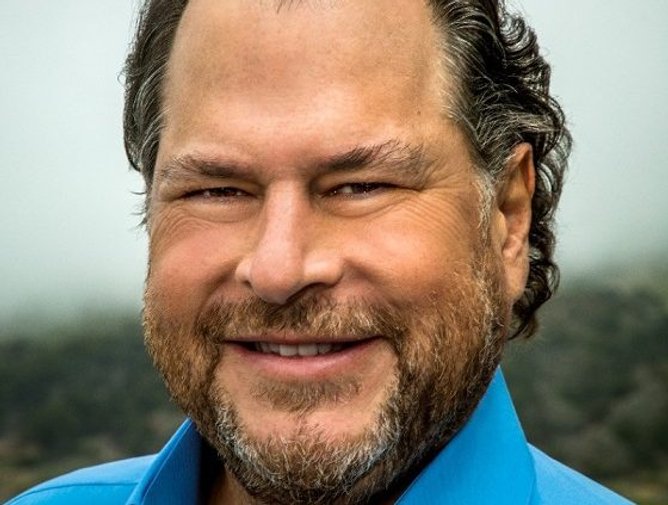
- CEO: Marc Benioff
- Specialisation: Ensures secure, polite and accurate GenAI output by preventing proprietary data absorption.
Co-founder and CEO Marc Benioff has built Salesforce into the customer relationship management software leader and the Einstein GPT Trust Layer reflects his focus on both innovation and responsibility.
The security filter prevents AI systems from absorbing proprietary customer data while ensuring chatbot outputs remain polite, accurate and helpful.
The layer acts as a filter before data reaches AI models, keeping sensitive information within the customer’s secure environment.
For a CRM platform handling sensitive client data across sales, service and marketing functions, this kind of protection has become non-negotiable.
The CEO’s vision centres on helping companies digitally transform using AI and real-time data, supported by the company’s 1-1-1 philanthropic model.
5. Oracle OCI AI Governance
- Company: Oracle
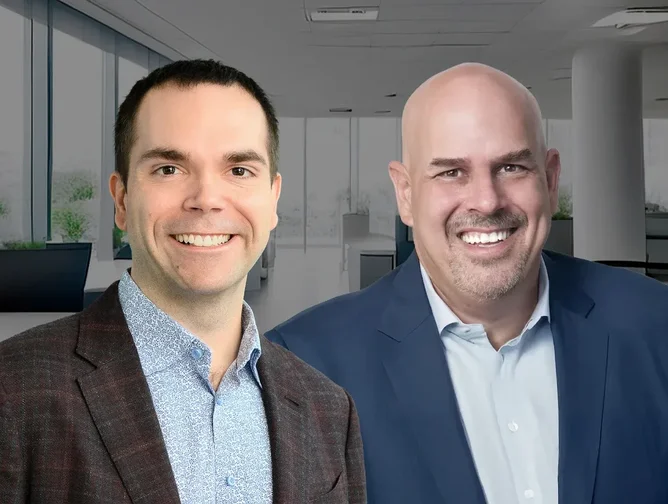
- CEO: Clay Magouyrk and Mike Sicilia
- Specialisation: Provides secure, integrated cloud AI services with sovereign deployment options
Joint CEO’s Clay Magouyrk and Mike Sicilia are guiding the technology company’s shift toward cloud computing through an acquisition strategy.
Oracle Cloud Infrastructure AI Governance takes a different angle to the market, focusing heavily on Sovereign AI deployment options.
The distributed cloud models, including OCI Dedicated Region, address data residency and control requirements that matter deeply to public sector and regulated international clients.
These services allow customers to fine-tune large language models (LLMs) and automate business processes while maintaining data sovereignty.
Previous CEO Sfara Catz’s background in law and finance shows through in Oracle’s approach to corporate and legal rigour in technology deployment for heavily regulated industries and government agencies.
4. IBM watsonx Governance
- Company: IBM
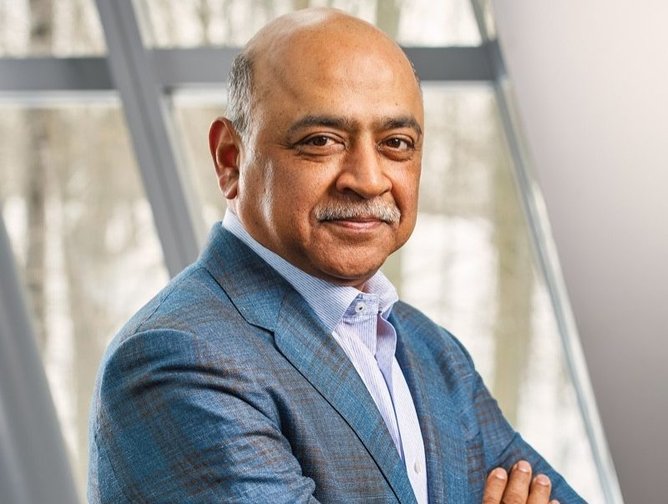
- CEO: Arvind Krishna
- Specialisation: Automated, scalable governance, risk and compliance for foundation models
Chairman and CEO Arvind Krishna has positioned IBM’s approach to AI squarely on trust, transparency and efficient deployment of foundation models.
The watsonx governance toolkit operationalises responsible AI workflows, offering automated risk management spanning operational risk, policy alignment, compliance checks and financial auditing.
The Responsible AI Toolkit tracks, catalogs and governs models across the AI lifecycle, capturing metadata for report generation.
The 2024 Gen AI Version includes the Suitability, Feasibility and Advisability Assessment tool, which does something interesting: it’s designed to prevent resource commitment to Gen AI solutions when other analytics methods would actually work better.
The CEO maintains that lower-cost, fit-for-purpose models will drive AI experimentation rather than massive generalised models for every task and this tool puts that philosophy into practice.
3. Amazon SageMaker Clarify
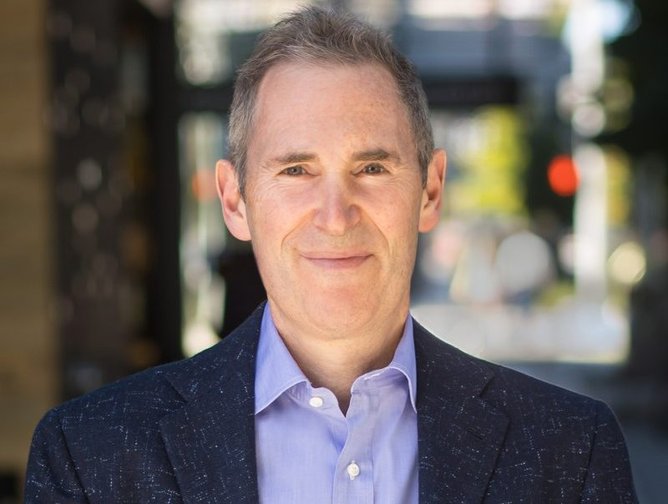
- Company: Amazon
- CEO: Andy Jassy
- Specialisation: Detects and mitigates bias, explains model predictions for fairness and interpretability
Amazon Web Services (AWS) developed SageMaker Clarify as a dedicated tool for operationalising responsible AI under President and CEO Andy Jassy, who considers Gen AI a transformative force set to reinvent customer experiences.
The platform tackles two fundamental challenges: detecting and mitigating bias during data preparation, model training and production phases, while helping developers understand predictions by ranking feature importance.
This functionality proves necessary for high-stakes decision-making processes where organisations need to explain why an AI system reached a particular conclusion.
The platform integrates directly into the SageMaker ML operations lifecycle, allowing developers to address issues before models reach production rather than reacting to deployed risks.
This technical transparency, combined with documentation tools tracking model lineage and usage, serves enterprises operating in industries where fairness and accountability constitute legal mandates.
2. Google Cloud Vertex AI
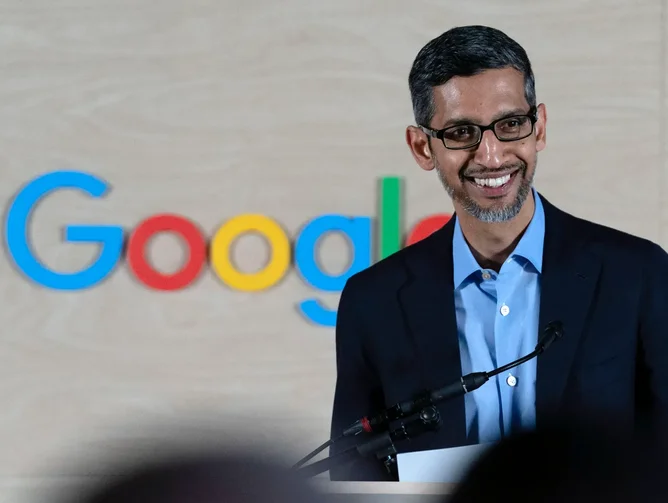
- Company: Alphabet (Google)
- CEO: Sundar Pichai
- Specialisation: GenAI safety, content filtering and adherence to Google’s AI Principles
Alphabet CEO Sundar Pichai guides the long-term strategy for Google Cloud’s Vertex AI platform, prioritising delivery of what the company terms “the most trusted and enduring product”.
The platform facilitates enterprise innovation with Gen AI capabilities underpinned by adherence to Google’s core AI Principles.
Vertex AI Studio incorporates content filtering and safety attribute scoring, empowering customers to test Google’s safety filters and define risk tolerance thresholds for their specific use cases.
The platform’s approach centres on managing foundational model risks, recognising that large language models can produce unintended outputs.
Google Cloud has also introduced the Security AI Workbench powered by the Sec-PaLM security model, integrating the company’s visibility into the threat landscape and positioning responsible AI as a component of cyber defence operations rather than a separate concern.
1. Microsoft Azure Machine Learning

- Company: Microsoft
- CEO: Satya Nadella
- Specialisation: Integrates Responsible AI Standard principles into MLOps for safety
Azure ML sits at the top of this ranking for how comprehensively it embeds the Microsoft Responsible AI Standard into ML operations.
The framework operates on six principles: fairness, reliability and safety, privacy and security, inclusiveness, transparency and accountability.
CEO Satya Nadella initiated the company’s commitment to this principled approach in 2016, aiming to ensure AI remains “safe and beneficial for everyone”.
The platform provides ML operations capabilities including a counterfactual what-if component for model debugging and a customisable Responsible AI scorecard.
This scorecard functions as a shareable PDF report that educates stakeholders, aids compliance and supports audit reviews by revealing ML model characteristics.
Sarah Bird, Chief Product Officer (CPO) for Responsible AI, maintains that responsible AI must integrate into the entire development process from inception rather than being appended at the end.
Microsoft’s decision to publish an annual Responsible AI Transparency Report starting in 2024 demonstrates the approach constitutes core corporate strategy rather than simply a product feature.
The platform captures governance data across the end-to-end ML lifecycle, tracking lineage information including who published models, rationale for changes and deployment timing, creating an audit trail that satisfies both internal and external oversight requirements.